Ravintola Melisa

The Radiologist Shortage Crisis: How AI is Amplifying Expert Radiologists

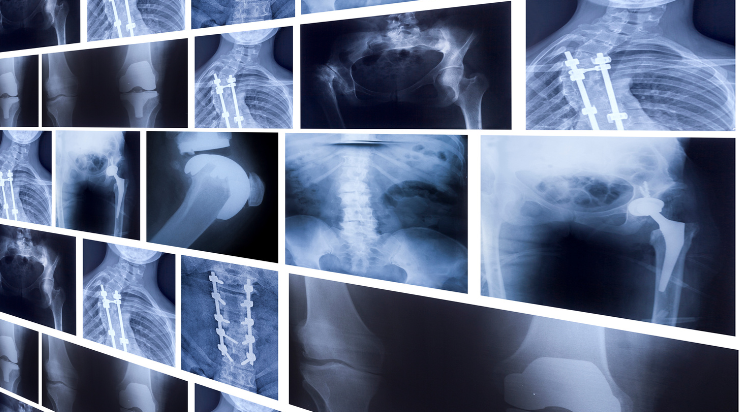
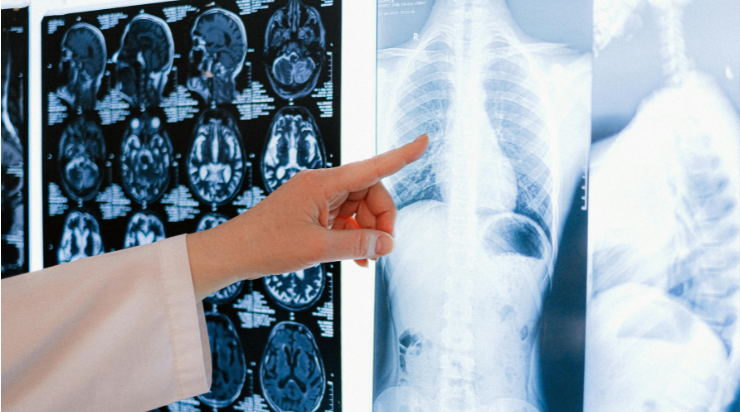
Across hospitals and imaging centers worldwide, radiology departments stand at a breaking point. Medical imaging has become central to nearly every major medical decision, whether diagnosing cancers, stroke, trauma, or infections, yet the number of radiologists trained to interpret this data has failed to keep pace. In 2025, the global healthcare system faces an acute radiologist shortage, one that threatens timely diagnosis and patient outcomes.​

Layered onto this crisis is a huge surge in imaging volumes driven by aging populations, chronic disease prevalence, and greater availability of diagnostic equipment. A single chest CT can generate hundreds of images; multiply this by thousands of daily scans, and the workload becomes unsustainable. Some radiology departments report backlogs stretching weeks, forcing prioritization of “urgent” cases and leaving routine patients waiting dangerously long.​

Read more

Chest X-Ray Volume Crisis: Why Automation Shouldn’t Mean Lower Standards

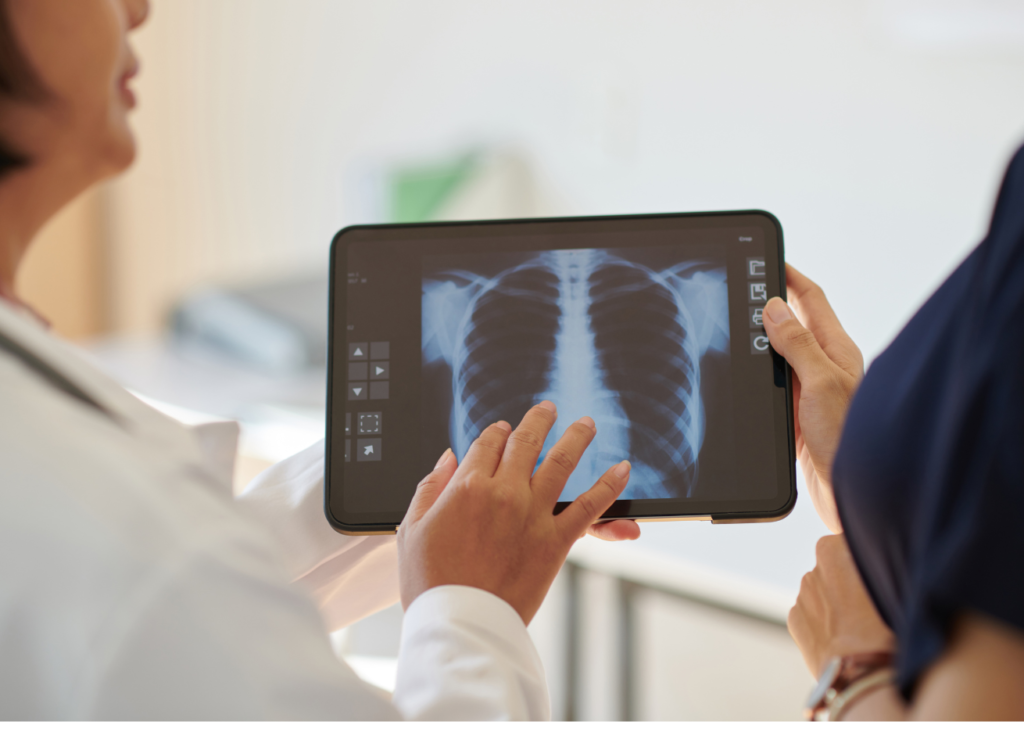
Chest X-rays (CXRs) represent the most common imaging exam worldwide, ordered billions of times annually for pneumonia, heart failure, tuberculosis, and more. In 2026, surging volumes from post-pandemic screening, aging populations, and primary care expansion have created a crisis: radiology departments drown in CXR backlogs, delaying care. Automation via AI promises relief, triaging and pre-reporting thousands of studies daily.​

Yet fears persist that speed sacrifices accuracy, eroding diagnostic trust. This post argues automation elevates standards when implemented thoughtfully, preserving human oversight amid unprecedented demand. Radiologists remain essential; AI merely restores their capacity to uphold excellence.​

Read more

AI-Powered Predictive Radiology: Forecasting Disease Before It Strikes

Radiology has long excelled at detecting disease after symptoms emerge, but 2026 marks a pivotal shift toward prediction. Advanced AI models now analyze imaging data alongside genomics, EHRs, and lifestyle factors to forecast risks like cancer recurrence, cardiovascular events, or neurodegeneration months or even years in advance. This predictive capability addresses not just the radiologist shortage but the broader challenge of reactive healthcare, where interventions often come too late.​

Fueled by foundation models and multimodal AI, radiology is evolving into a cornerstone of precision medicine. Hospitals using these tools report up to 30% improvements in early intervention rates, transforming imaging from a diagnostic snapshot into a forward-looking risk engine. No longer just interpreters of images, radiologists become architects of prevention strategies.

Read more

Diagnostic Errors and Patient Safety: How AI is Revolutionizing Radiology

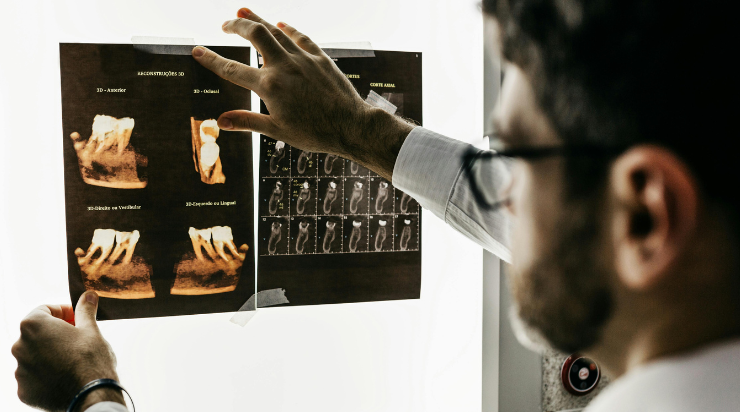
In the high-stakes world of radiology, every interpretation carries immense responsibility. With 3.1 billion diagnostic imaging studies performed worldwide each year, and chest X-rays accounting for 40% of that staggering volume, the pressure on radiologists is unrelenting. Yet despite decades of experience and technological advancement, diagnostic errors persist at 3–5% across all studies, translating to approximately 40 million missed or delayed diagnoses annually. These aren’t the result of incompetence or negligence, instead, 84% of these errors are perception failures, where abnormalities were objectively visible but simply overlooked by even the most skilled eyes.

Read more
Contact us

Partner with Us for Comprehensive IT

We’re happy to answer any questions you may have and help you determine which of our services best fit your needs.

Your benefits:
What happens next?
1

We Schedule a call at your convenience 

2

We do a discovery and consulting meting 

3

We prepare a proposal 

Schedule a Free Consultation